
Introduction
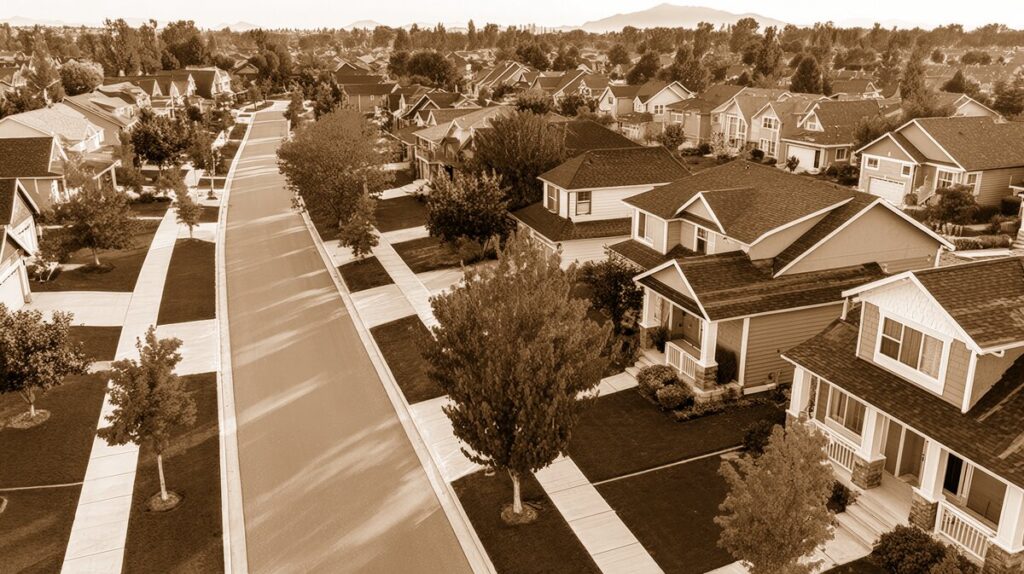
Tucked just south of downtown Fort Lauderdale and bordered by the New River and major thoroughfares like State Road 84, the Edgewood neighborhood is a living testament to the city’s ever-evolving spirit. While it may not make headlines as often as Victoria Park or Las Olas, Edgewood’s roots run deep, and its tree-lined streets tell stories of transformation, resilience, and unity. Whether you’re a longtime resident, a newcomer, or just a curious visitor, exploring Edgewood is like flipping through the beloved pages of an old family album — familiar, surprising, and warmly nostalgic.
The Origins of Edgewood
Edgewood’s history is entwined with the broader story of Fort Lauderdale’s post-war growth. The neighborhood began to take shape in the 1940s and 1950s as the city expanded inland from its original downtown core. The area, mostly farmland and pine scrub at the time, soon attracted returning World War II veterans and young families with its promise of affordable living far enough from the bustle, yet close enough to enjoy city benefits.
How Edgewood Got Its Name
The name “Edgewood” reflects the area’s original position at the literal “edge” of Fort Lauderdale’s urban sprawl. The “wood” in Edgewood likely pays homage to the lush native woodlands and thickets that once covered the entire neighborhood, long before the tidy homes and manicured lawns of today filled these lots. Streets such as Southwest 9th Avenue and Southwest 28th Street trace through what was once the city’s outer frontier, a suburb before suburban was a buzzword.
Key Historical Milestones
Post-War Development
- In the late 1940s, Edgewood saw a boom in single-family home construction. Developers marketed the area to veterans, and the GI Bill made homeownership possible for many.
- Modest ranch and bungalow-style houses still line streets like Southwest 28th Avenue, bearing testament to this mid-century era.
Community Building
- By the 1960s, Edgewood had become a close-knit neighborhood. Annual block parties and an active civic association helped residents forge lasting bonds.
- The establishment of neighborhood schools, like Croissant Park Elementary just north of Edgewood’s boundaries, brought families together and forged a robust sense of community identity.
Challenges and Renewal
- In the 1980s and 1990s, the neighborhood faced challenges from shifting demographics and economic pressures, including concerns about transient housing and industrial encroachment.
- Residents rallied to preserve the area’s character, organizing cleanups, and advocating for zoning protections that safeguarded single-family homes from overdevelopment.
Notable Landmarks and Institutions
While Edgewood is residential at its core, it’s dotted with landmarks that reflect its history and heart.
Snyder Park
Perhaps the neighborhood’s green jewel, Snyder Park, lies just east of Edgewood along Southwest 4th Avenue. Opened in the mid-20th century, Snyder Park is part playground, part nature preserve — featuring butterfly gardens, walking trails, and a dog park that attracts locals from every corner of Fort Lauderdale. The park stands not just as a recreational retreat, but also as an environmental legacy, protecting the lakes, mangroves, and hardwood hammocks once prevalent in all of Edgewood.
The Edgewood Civic Association
Operating from neighborhood meeting points (often rotating between local parks, homes, and churches on streets like Southwest 34th Street), the Edgewood Civic Association has long been central to community life. Their meetings serve as a forum for discussing issues ranging from traffic calming to historical preservation, further nurturing community spirit.
Transportation and Connectivity
One of Edgewood’s defining features has always been its accessibility. With State Road 84 (Marina Mile Boulevard) bounding its northern side and proximity to the Fort Lauderdale-Hollywood International Airport, Edgewood has evolved alongside two of the city’s most crucial transportation corridors. Railroads and canals cutting through the neighborhood tell of an era when freight and cattle moved through these same routes, pre-dating the highways of today.
The Evolution of Edgewood
Through the decades, Edgewood has never lost its family-friendly charm, but it has adapted gracefully to the pressures and promises of growth.
A Changing Demography
- The early 2000s brought an influx of younger families, professionals, and retirees drawn by affordability and strategic location.
- An increase in diverse restaurants, local coffee shops, and small businesses along nearby Marina Mile and SR-84 reflects the expanding palate of Edgewood’s residents.
Preservation and Progress
- Longtime Edgewood homes coexist with newly renovated properties, blending classic mid-century wood-frame houses with contemporary updates.
- Active zoning and neighborhood watch initiatives have helped maintain the area’s quiet, residential feel amid citywide growth.
Modern-Day Edgewood
Today, Edgewood offers a snapshot of classic South Florida living: kids play in front lawns shaded by banyan trees, neighbors greet one another by name while walking their dogs to Snyder Park, and block parties — from ice cream socials to holiday light cruises — are still a beloved tradition.
Why Edgewood Remains Special
Ask anyone why they’ve chosen to make Edgewood home, and you’ll hear answers that echo across generations:
- A sense of community that welcomes newcomers but honors its history.
- The mix of old-Florida charm with just the right touch of modern energy.
- Proximity to both the urban core and serene green spaces.
- Streets that tell stories — every block, from Southwest 24th Court to Southwest 29th Way, brims with characters and memories.
Conclusion
Edgewood is more than a neighborhood — it's a living history book and a community in perpetual bloom. It stands as a testament to Fort Lauderdale’s enduring promise: that city living and neighborly warmth can thrive, side by side. Whether you’re wandering through the leafy streets, picnicking at Snyder Park, or joining a civic meeting, you’re sharing in a heritage built not just of wood and concrete, but of heart and hope.